
The most common worry before a first cruise isn’t the size of the cabin or the sea itself – it’s one question: “What if I feel sick on board?” We get it, and we’ll be honest with you. The good news is that seasickness on a modern cruise is much rarer and milder than you might think, especially in the Mediterranean. And if you do turn out to be sensitive, there’s plenty of simple help at hand. Let’s look at why you needn’t fear it, and exactly what you can do if you want to be on the safe side.
How common is it, really?
Let’s start with some reassuring numbers. In normal sea conditions, the vast majority of passengers – roughly 70–80% – feel nothing of the ship’s movement at all. Those who do usually feel only mild, passing discomfort. Most importantly, for nearly everyone who gets seasick, it wears off by itself within 48 hours. That’s what’s known as finding your “sea legs”: within a day or two your body simply gets used to the gentle rocking, and after that you won’t even notice it.
Modern ships are giants, and that makes a big difference

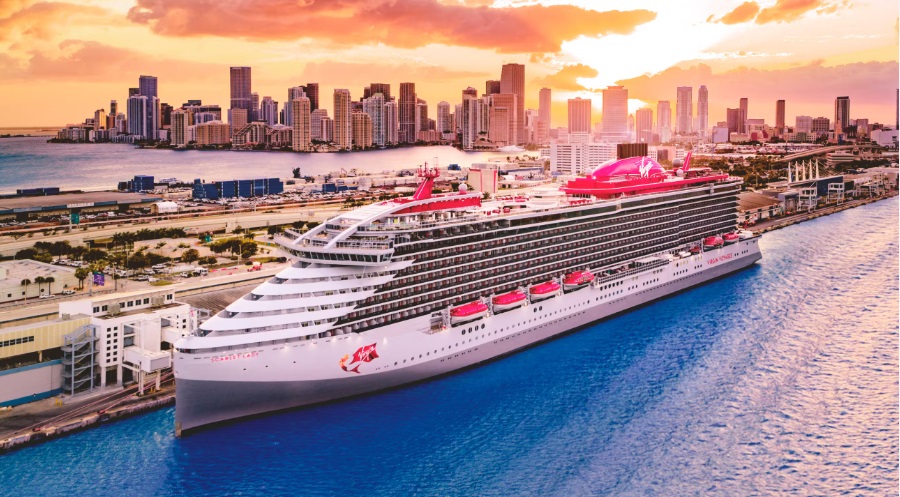
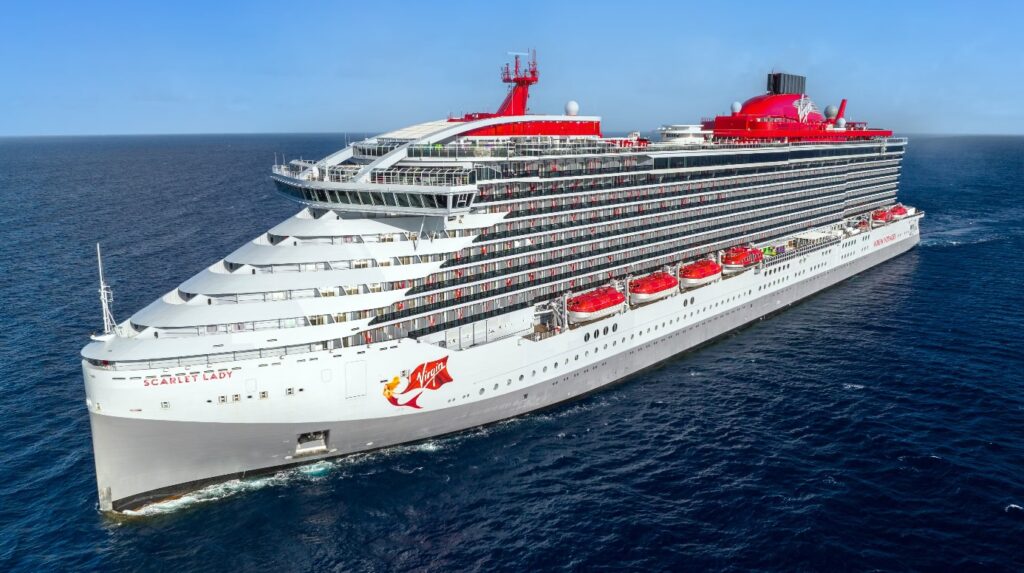
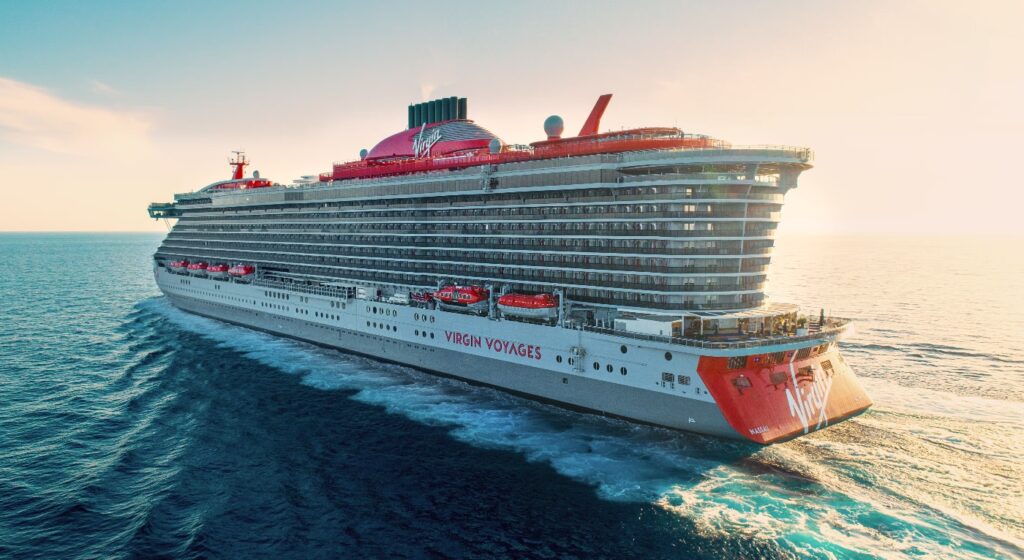
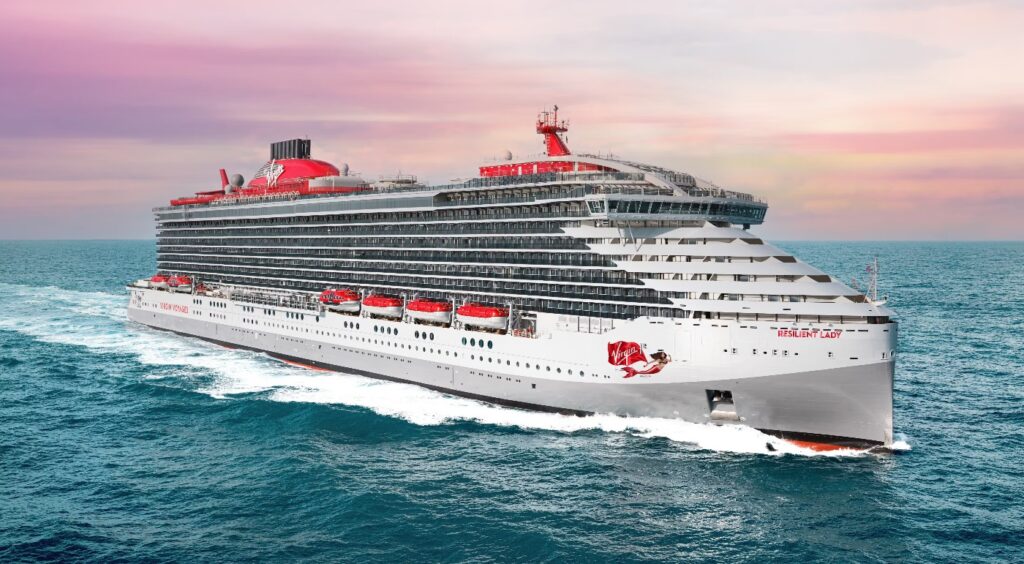
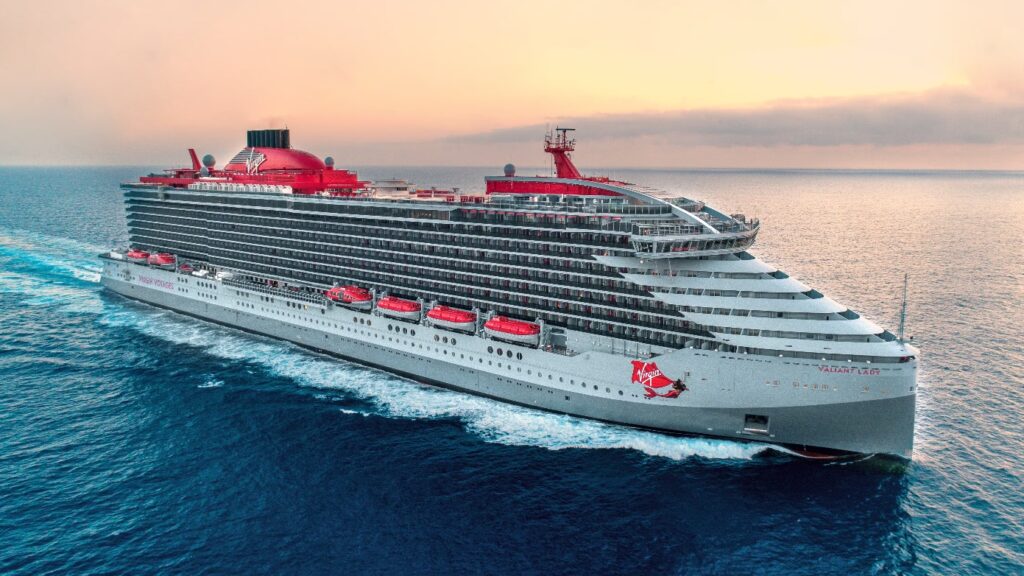
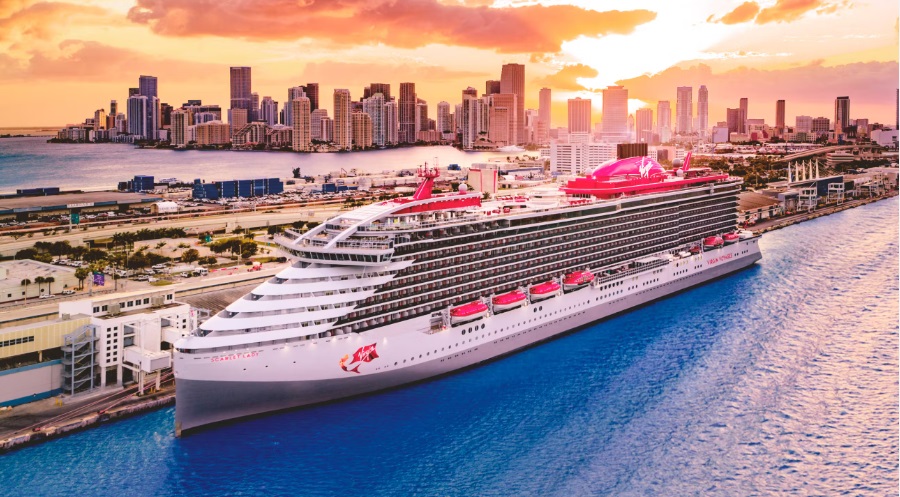
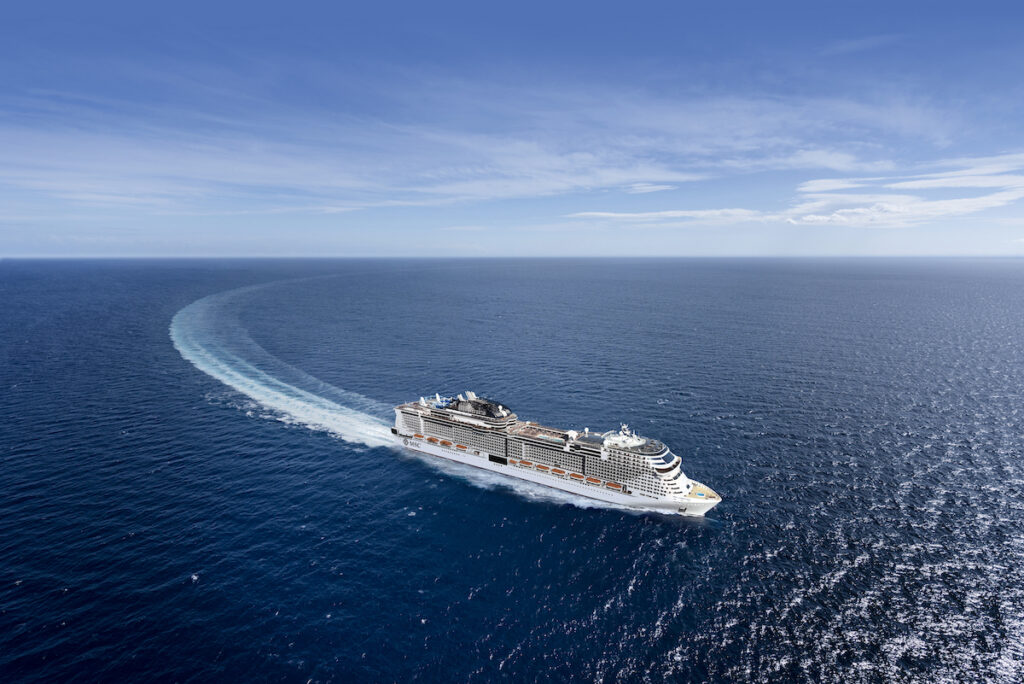
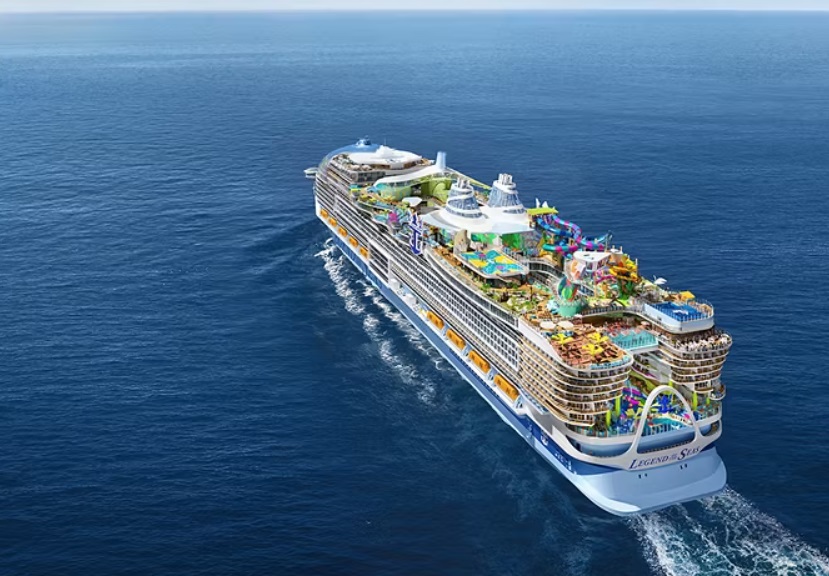
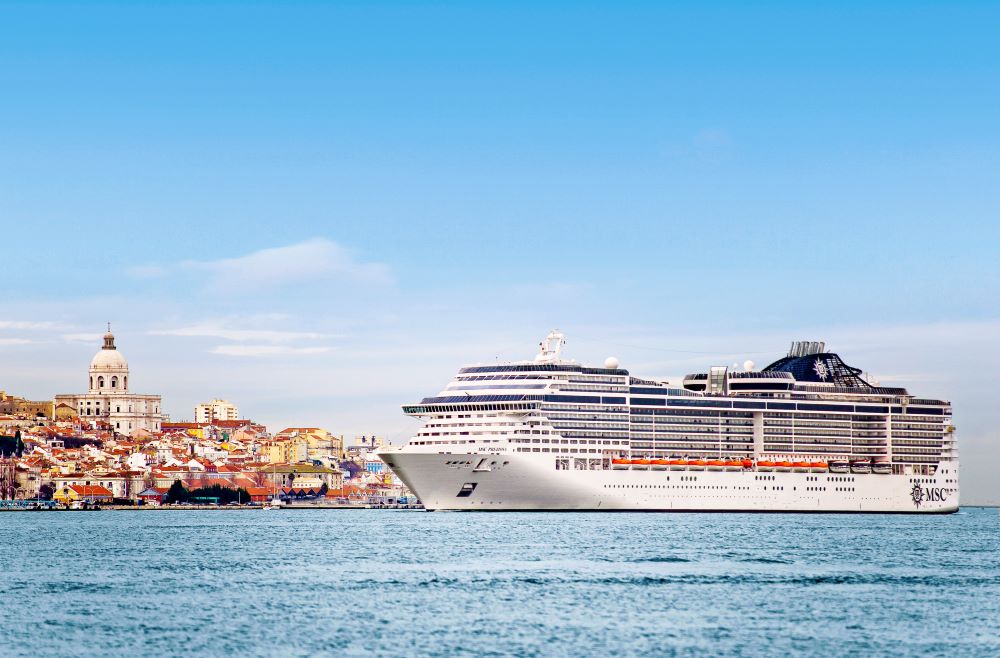
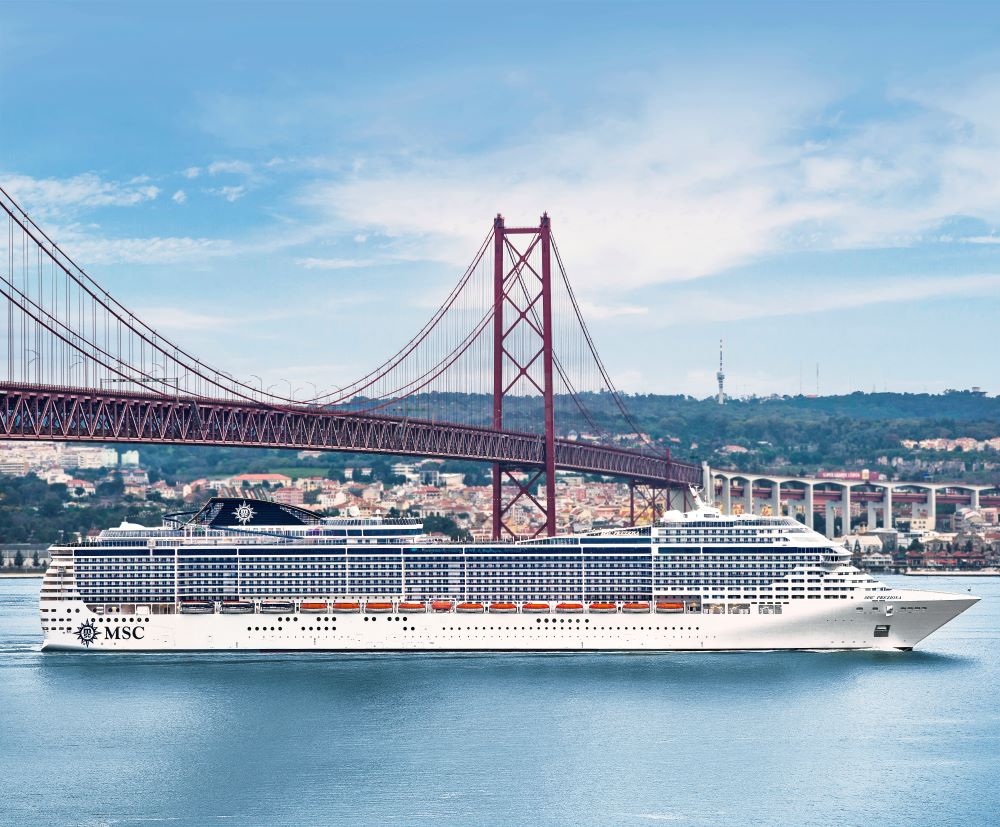
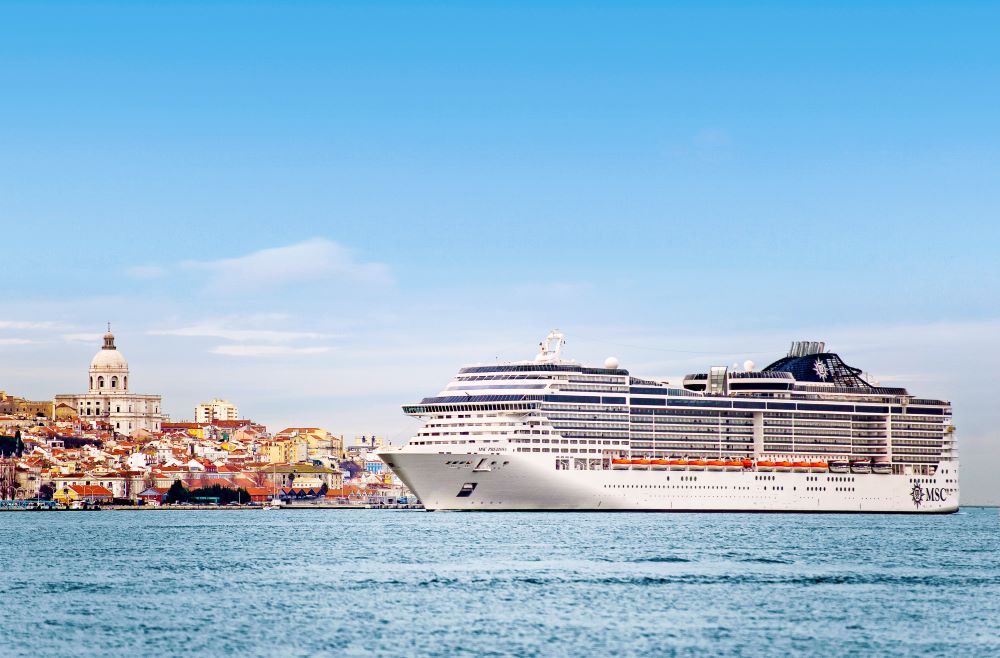
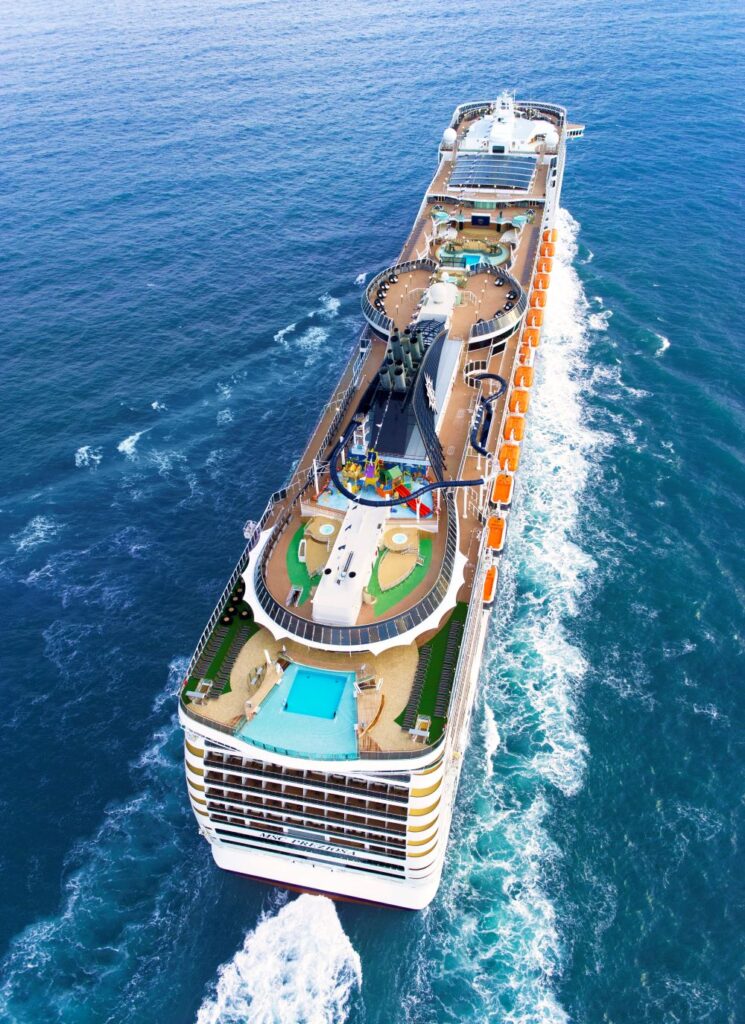
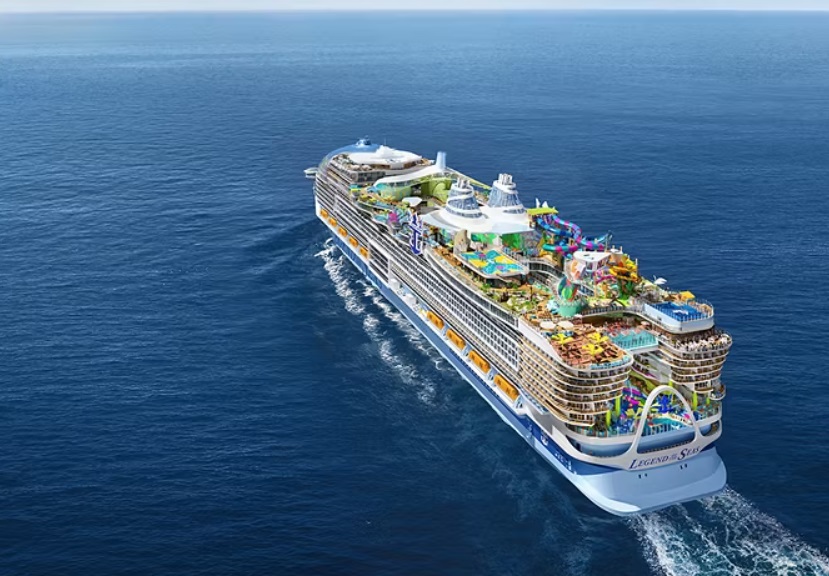
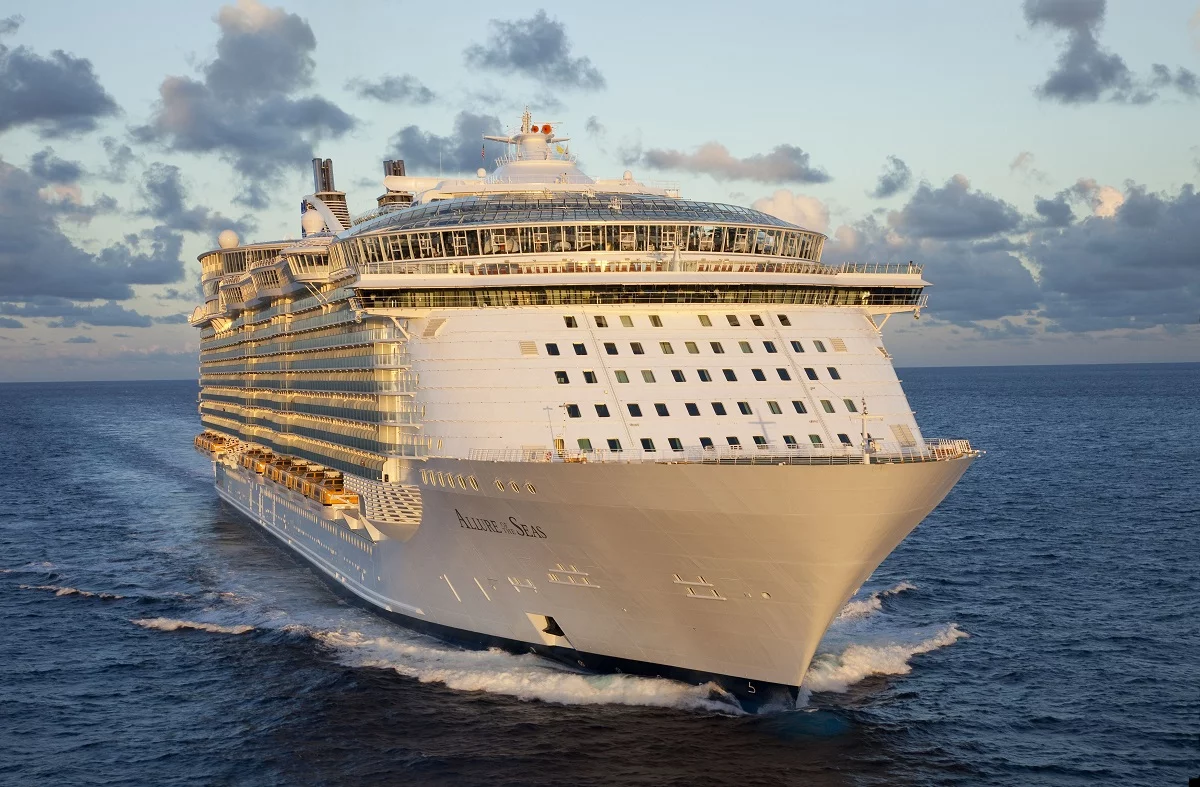
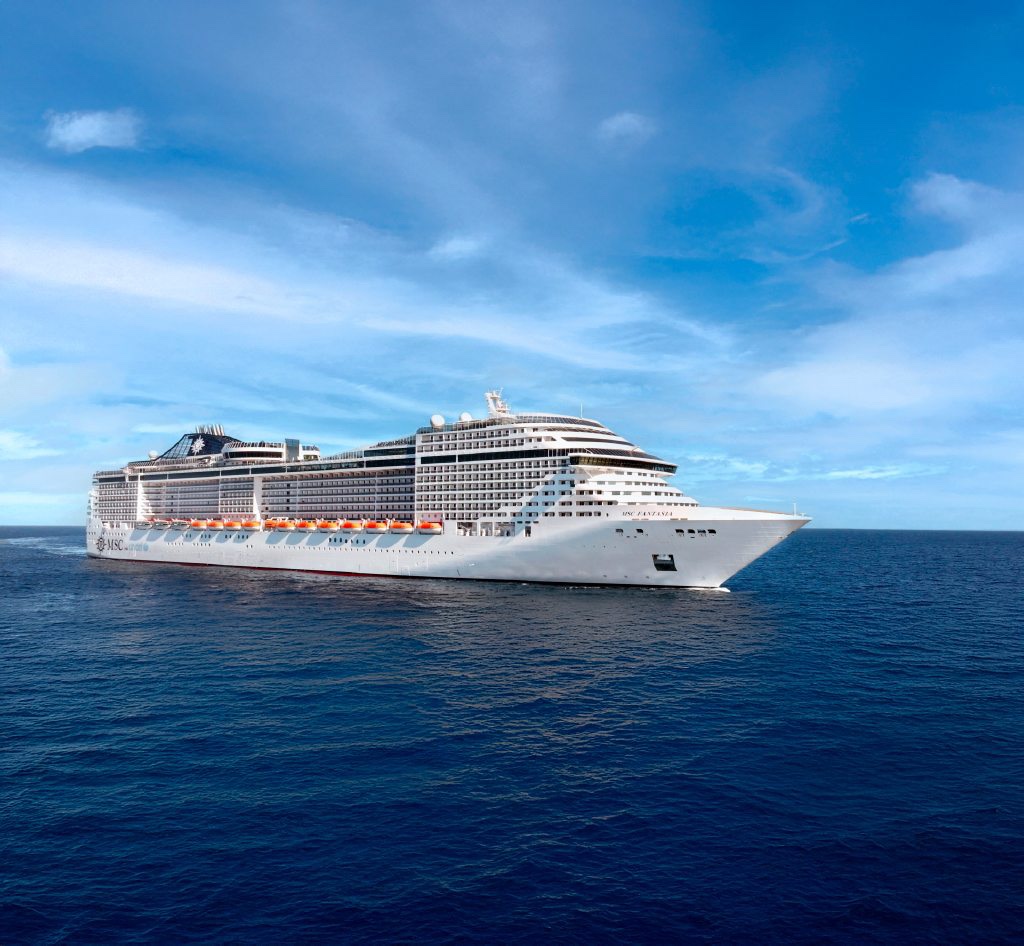
When you think of seasickness, you probably picture a small fishing boat tossed about on the waves. Today’s cruise ships are the complete opposite. They’re several hundred metres long and weigh many tens of thousands of tonnes – floating cities so big that an average wave barely moves them.
And it’s not just size working in your favour. Every modern ship has computer-controlled fin stabilisers fitted below the waterline, which actively counteract the ship’s side-to-side roll. These fins typically reduce rolling by 85–90%. They don’t eliminate movement completely, but they calm it just enough that most people feel nothing at all.
The Mediterranean is a beginner’s best friend

If you’re planning your first cruise in the Mediterranean, you’ve already made a good choice. Mediterranean itineraries follow the coastline (Italy, Greece, the South of France), rarely include long days at sea, and mostly sail through sheltered waters. In the summer months the Mediterranean is especially gentle and calm – it’s no coincidence that this is peak cruise season.
In early spring, late autumn and winter, the wind (such as the mistral off the French coast or the meltemi in the Aegean) can sometimes stir up the water. But even then you’re sailing close to the coast in sheltered waters, not on the open ocean. It’s a world away from, say, a transatlantic crossing.
How to choose a cabin if you want to play it safe

If you know you’re sensitive to motion (or you’d simply feel more relaxed), where your cabin is located is one of the best tricks. The logic is simple: a ship pitches front to back like a seesaw, so the middle moves the least.
- Midship: you’ll feel the least movement in the middle of the ship along its length. This is the winner.
- On a lower deck: the closer you are to the waterline, the steadier it feels. Higher decks can sway more.
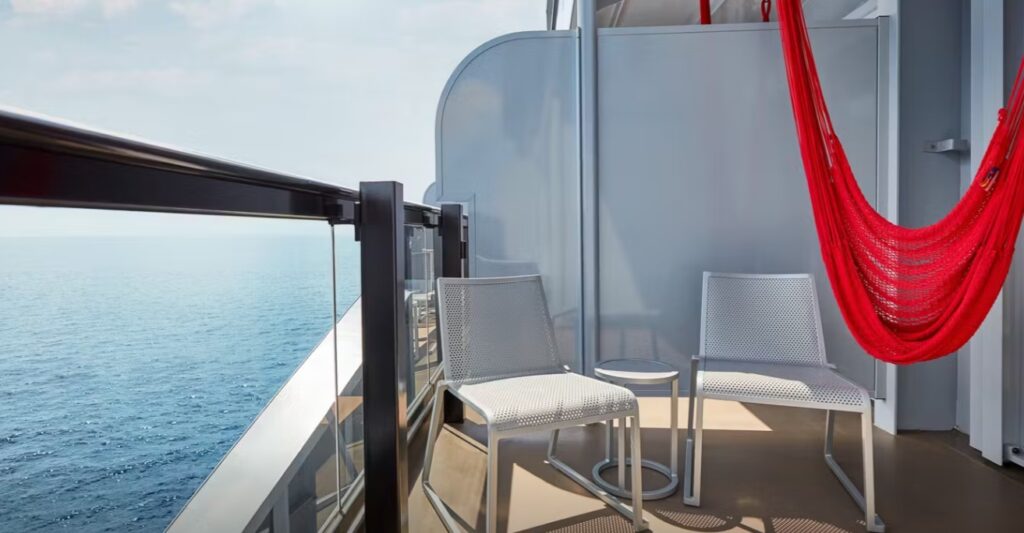
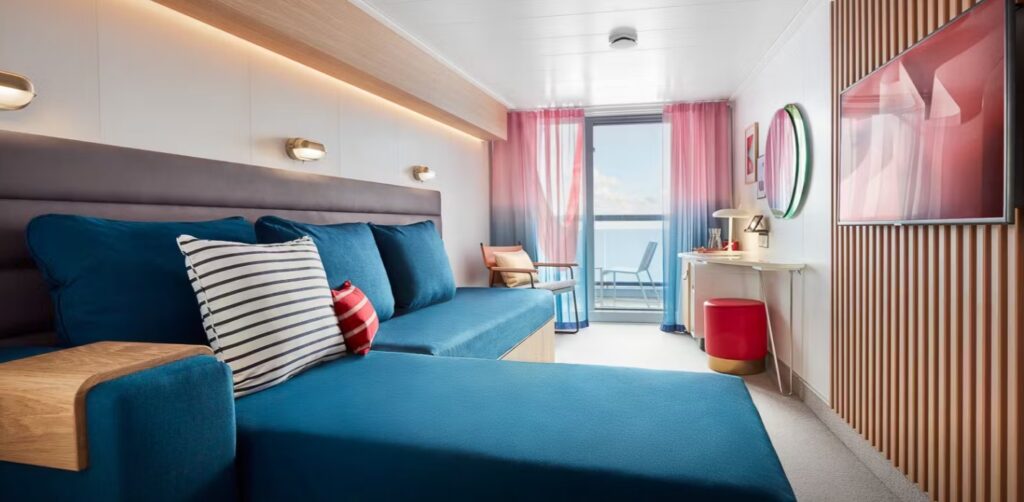
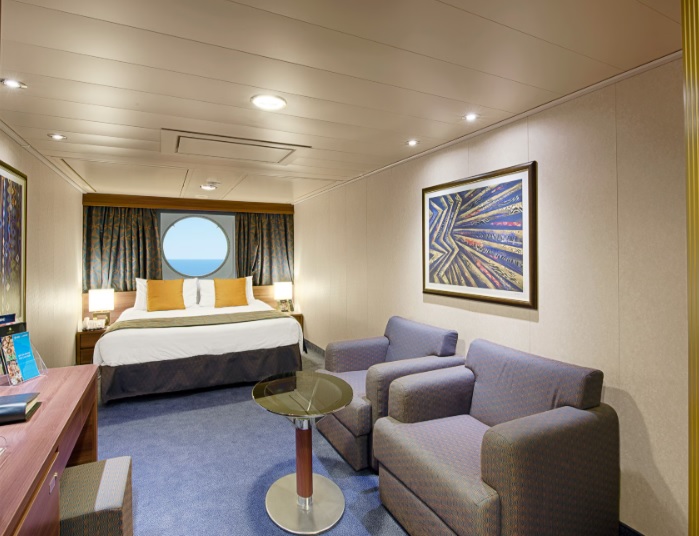
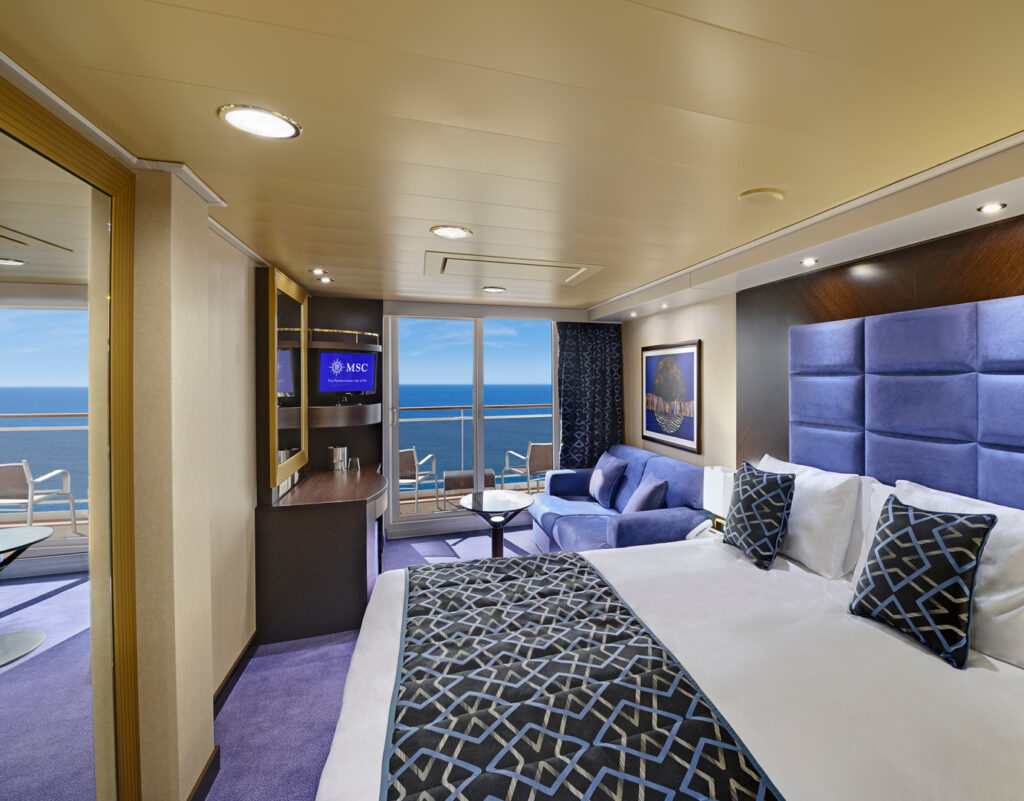
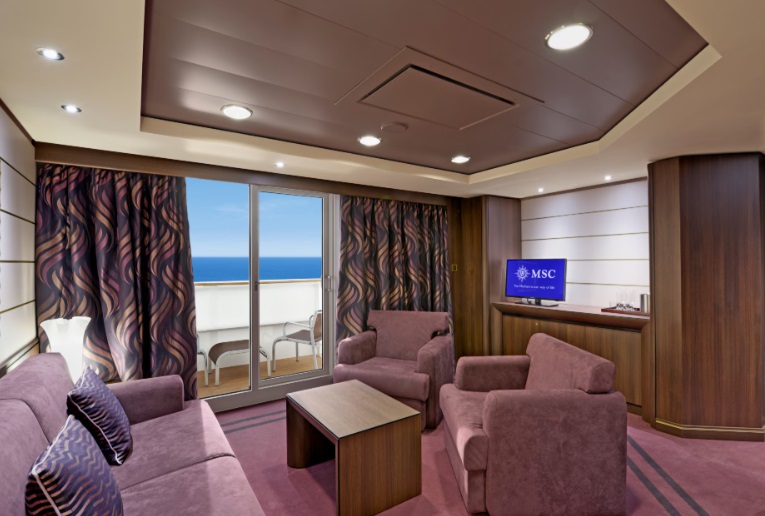
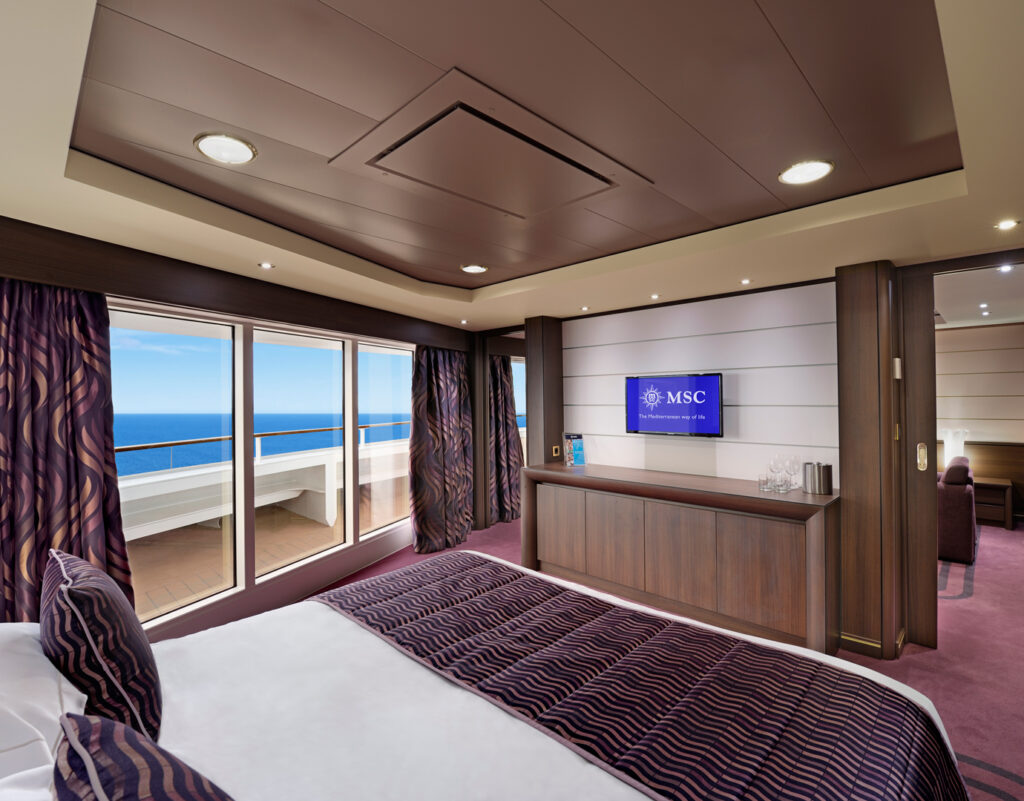
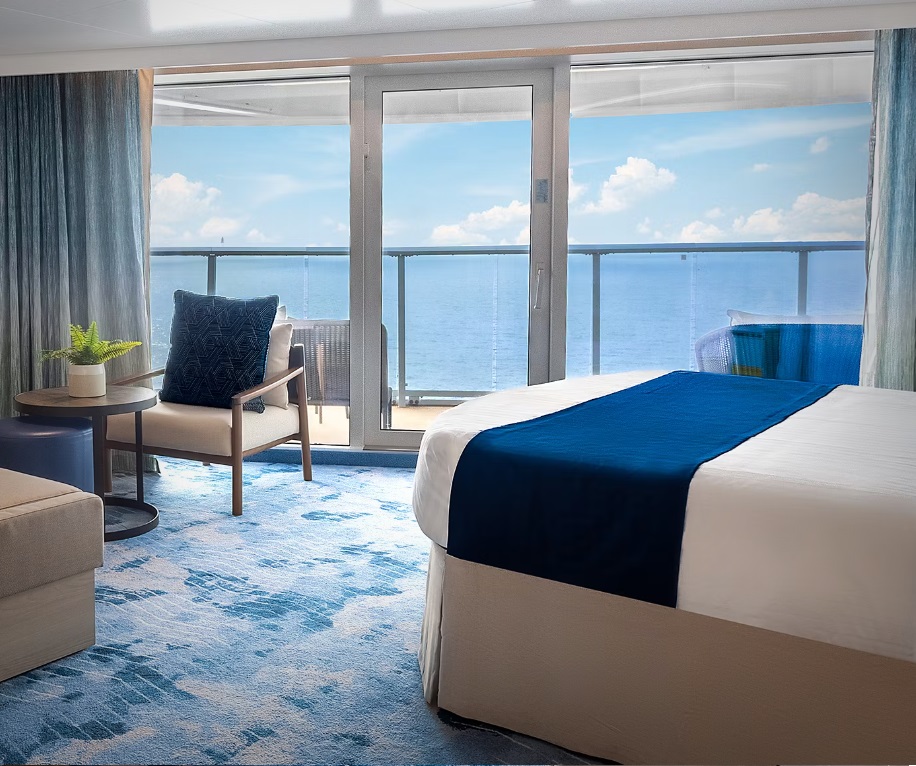
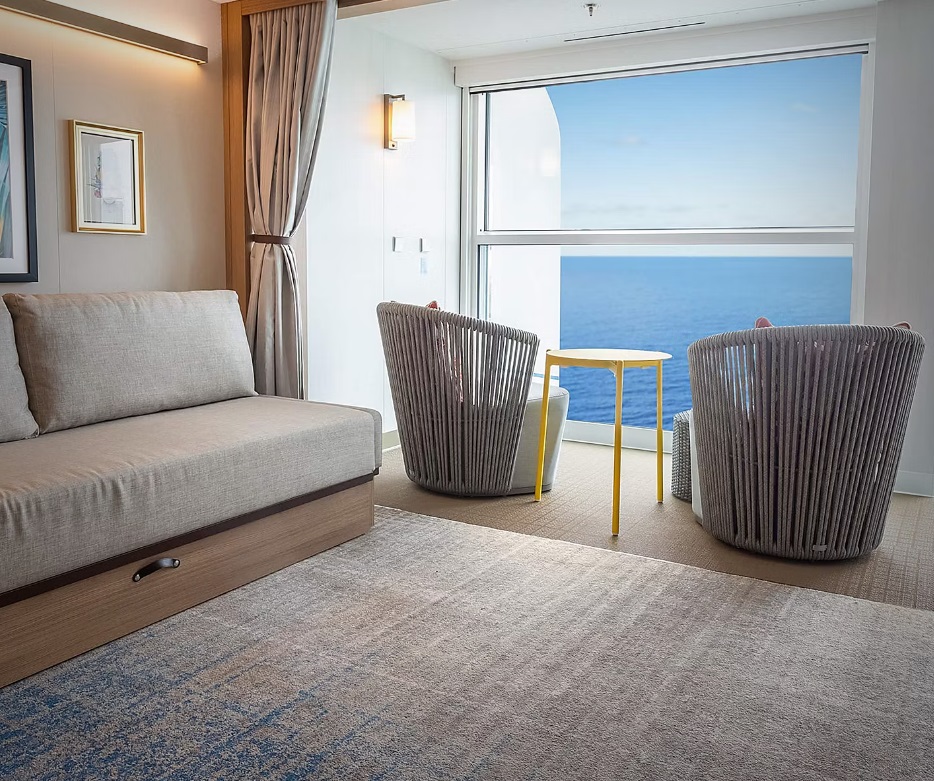
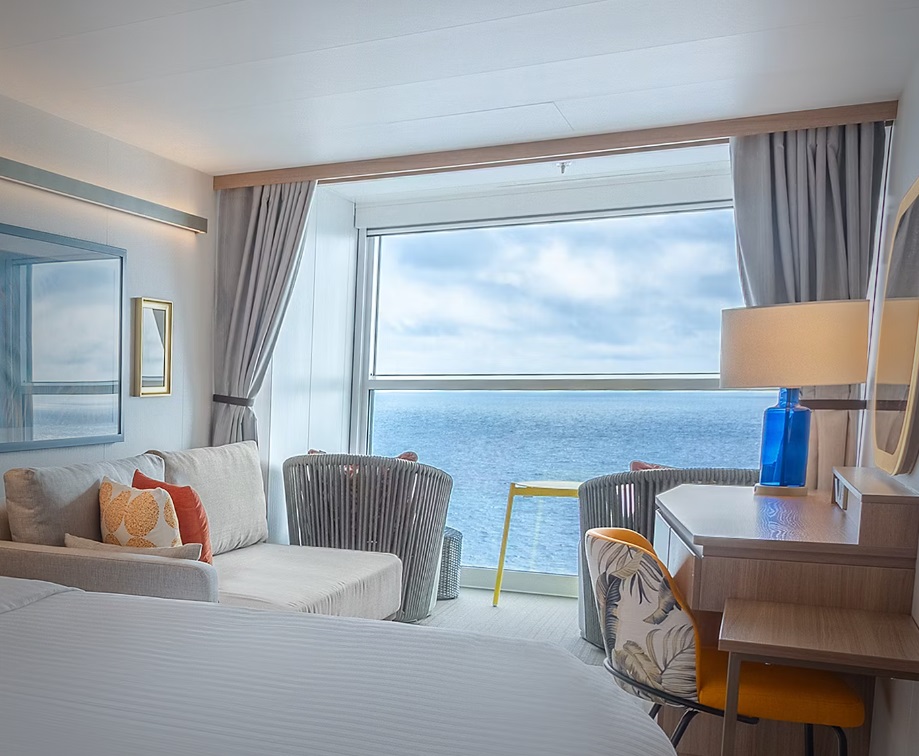
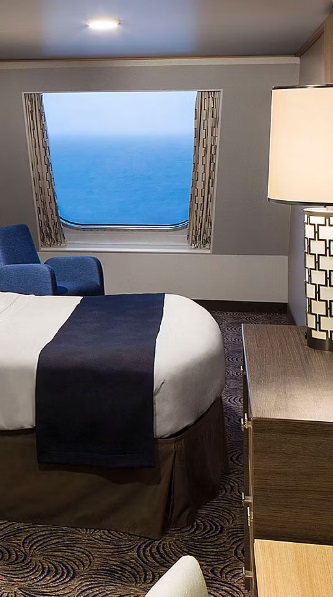
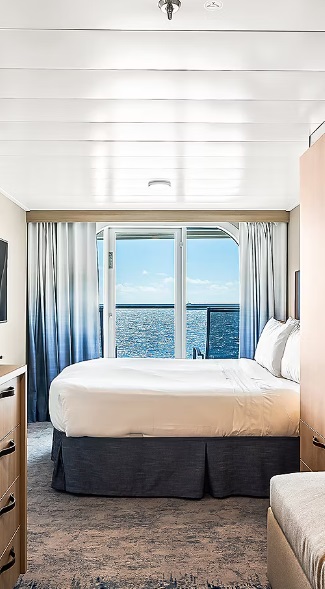
- With a balcony: from a balcony cabin you can step out into the fresh air and look at the horizon whenever you like. These are the two most effective natural remedies.
What to avoid if you’re sensitive: the cabins at the very front (bow) and very back (stern) of the highest decks move the most. They’re still great cabins – you may just feel a little more of the motion there.
And if it does happen? Your complete toolkit
Let’s say you’re one of the minority and feel a bit woozy on the first day. Don’t panic – there are far more solutions available than you’d think, from free ones to medication.
Guest services is your friend
Many people don’t know this: if you haven’t brought anything with you, you can almost always get seasickness tablets from guest services or the ship’s doctor. On many ships they’re free or cost just a few euros. There’s no need to tough it out – if you feel odd, just ask them.
Medication, if you know you’re sensitive
If you want to be on the safe side, it’s worth picking something up from a pharmacy before you go. In Europe, cinnarizine (known as Stugeron) is one of the most popular options: many seasoned cruisers say it works when nothing else does. There are also dimenhydrinate-based remedies, and scopolamine patches that you stick behind your ear (these need a prescription). If you’re pregnant, travelling with young children or living with a chronic condition, check with a doctor or pharmacist before you travel about which product is right for you.
Acupressure bands, no medication needed
If you’d rather avoid tablets, an acupressure wristband (Sea-Band and similar) is a good choice. A small plastic stud presses on the P6 (Nei-Kuan) point on the inside of your wrist, which eases nausea for many people. It has no side effects, doesn’t make you drowsy, and you can take it off and put it on whenever you like – which is why it’s so popular with cruisers.
Ginger and home remedies

Ginger is an old, tried-and-tested trick: as sweets, tea or capsules, it can help settle your stomach. Add a few simple habits that work wonders:
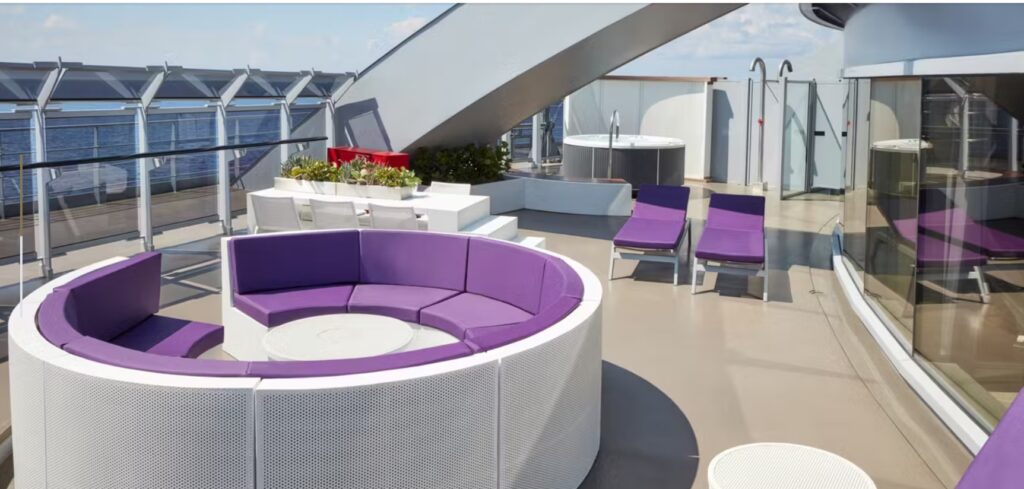
- Head outside for fresh air on the open deck.
- Look at the horizon or a distant fixed point, not at your phone or a book.
- Drink plenty of water and avoid heavy, fatty food and too much alcohol, especially on the first day.
- Keep busy: activities, a film or a good chat will take your mind off it.
The bottom line: honest, but relaxed
We can’t promise that no one will ever feel anything – that wouldn’t be fair. But the reality is that on a modern Mediterranean cruise, seasickness is the exception rather than the rule, and if it does strike, it’s usually a mild discomfort lasting a few hours or a day, with plenty of simple remedies. Most passengers have forgotten they were ever worried about it within a few hours.
And if you want to be completely sure, the recipe is simple: choose a balcony cabin midship on a lower deck, pack an acupressure band or a box of tablets, and enjoy the trip. The sea and some well-earned calm are waiting for you.
Seasickness FAQs
When is the calmest time for a Mediterranean cruise?
The summer months (June–September) are the calmest: this is when the Mediterranean is usually at its gentlest. In the shoulder seasons (spring and late autumn) the wind can be stronger, but modern ships handle that well too.
Do I need to buy seasickness medication in advance?
You don’t have to: on most ships you can get tablets from guest services if you need them during the cruise. But if you know you’re sensitive, it’s worth packing an acupressure band or a box of cinnarizine before you go.
Is a balcony or an inside cabin better for seasickness?
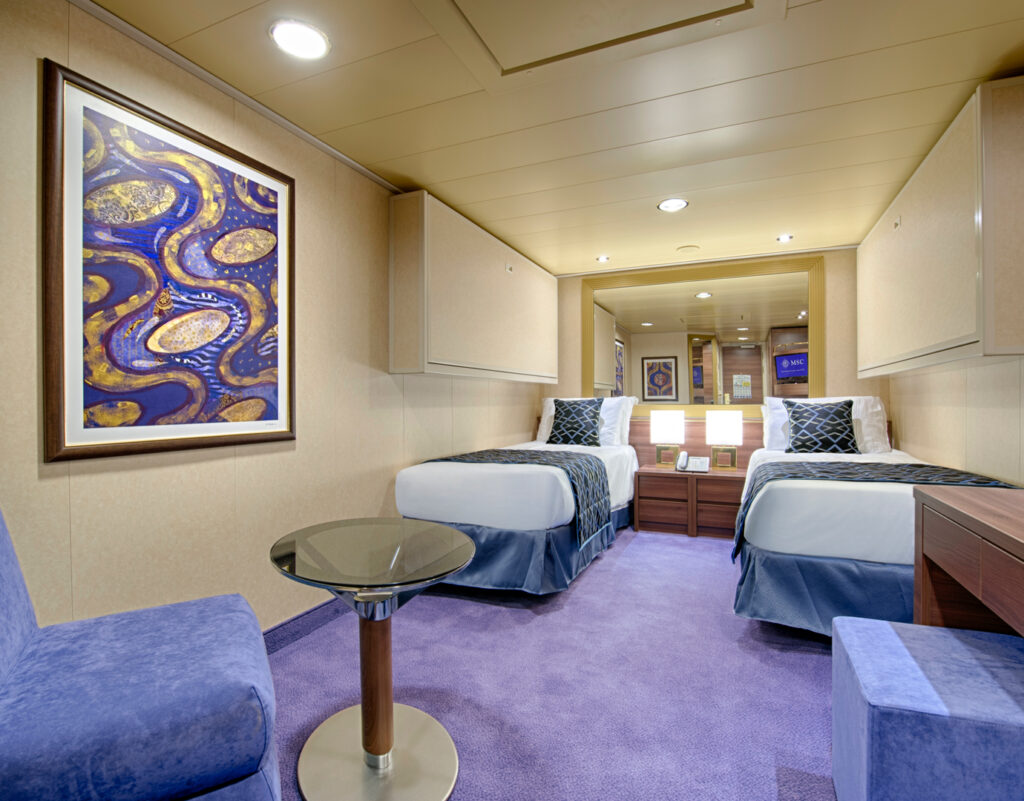
For seasickness, a balcony cabin is better: you can step out into the fresh air and look at the horizon whenever you like, which helps a lot. An inside cabin without a window gives your eyes no fixed outside point to settle on, which can make the discomfort worse for sensitive people.